Introduction
For paper baking cups and muffin liners, the quotation is rarely the hard part. The hard part is the calendar: minimum order quantities set by forming molds and paper lots, printing setup that only pays for itself at volume, and a lead time that stretches dramatically when holiday seasons arrive. Distributors and chain bakeries that treat MOQ and lead time as planning inputs — rather than as obstacles to negotiate away — get better prices, fewer stockouts and smoother supplier relationships. Cup programmes usually ship alongside pan lining; our silicone-coated parchment sheets and rolls specs cover the sheets and rolls that pair with them.
This guide explains what actually drives MOQ in baking cup manufacturing, how lead time is built up from material and production scheduling, and how to plan orders, split shipments and safety stock around a wholesale supplier's real constraints. Buyers verifying these specifications can review the certificate library alongside supplier documentation requests.
1. What Drives MOQ for Paper Baking Cups
Minimum order quantities are not arbitrary. They come from the physics and economics of the production process: Where a bakery lines trays and moulds product in the same run, our food-grade die-cut parchment rounds are quoted with the cup programme for a single documentation package.
| MOQ driver | Why it sets a floor | Typical effect |
|---|---|---|
| Forming mold | Each cup size and shape runs on a dedicated mold set | Standard sizes have low MOQ; custom sizes carry the highest |
| Base paper lot | Paper is produced and converted in minimum roll quantities | Color and grammage affect the floor; natural paper runs lower |
| Printing setup | Plate or cylinder preparation and press cleanup | Every color added raises the economical run length |
| Changeover time | Switching sizes or papers consumes line capacity | A run far below the MOQ means the supplier is losing changeover hours |
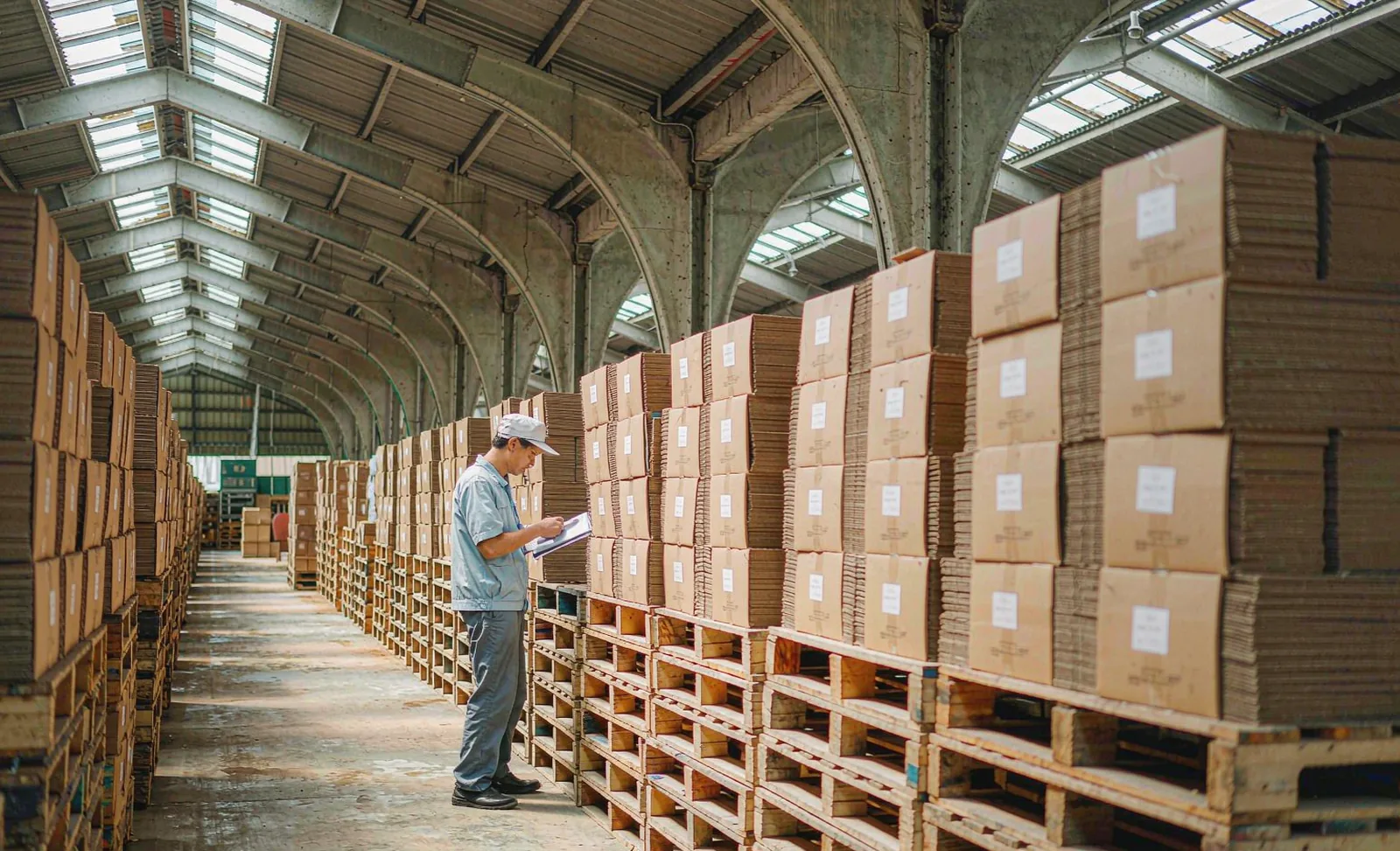
| Packaging configuration | Carton and inner-pack counts are fixed | Final quantity often rounds up to a carton multiple |
The practical consequence: a standard white cup in a common size can have a modest MOQ, while a custom-size, two-color printed tulip cup may require several times that quantity to be economical. When comparing suppliers, ask what sits behind each quoted MOQ — a mold-driven MOQ and a print-driven MOQ have different implications for your repeat orders. The factory and certificate library lists the third-party audits and test reports behind these claims.
2. Printed vs Unprinted: MOQ and Setup Costs
Decoration is the biggest MOQ multiplier:
- Unprinted natural or white cups benefit from shared paper stock and continuous production; MOQs are lowest and repeat orders can be shipped quickly.
- Single-color printed cups require plate setup per design; MOQ rises and lead time typically adds several working days for proofing and setup.
- Multi-color printed cups multiply setup steps, and color matching adds a proof approval cycle before mass production.
For a private-label program, consider a design strategy that keeps ink coverage within one or two colors and standardizes the cup size across a product family. This lowers the MOQ per SKU, reduces the number of separate production runs you must schedule, and simplifies reorders. If full-color artwork is required for a retail brand, plan the quantity to amortize setup across several shipments rather than ordering a one-off trial quantity.
Whatever the decoration, food-contact evidence must cover the inks as well as the paper. The FDA food types and conditions of use tables tie suitability to the food and conditions of use, and Regulation (EC) No 1935/2004 frames the EU requirements for materials that contact food.
3. Lead Time Components
A wholesale lead time is a stack of sequential stages. Knowing the stack tells you which parts can be compressed and which cannot:
| Stage | What happens | Compression potential |
|---|---|---|
| Order confirmation | SKU, artwork and specifications locked | High, if specifications are complete on day one |
| Artwork and proofing | Print file check, digital proof or physical sample | Medium; fast with pre-approved designs |
| Raw material | Paper rolls allocated or produced; inks prepared | Low for standard paper; high for custom colors |
| Production scheduling | Slot assigned on forming and printing lines | Depends on season and line load |
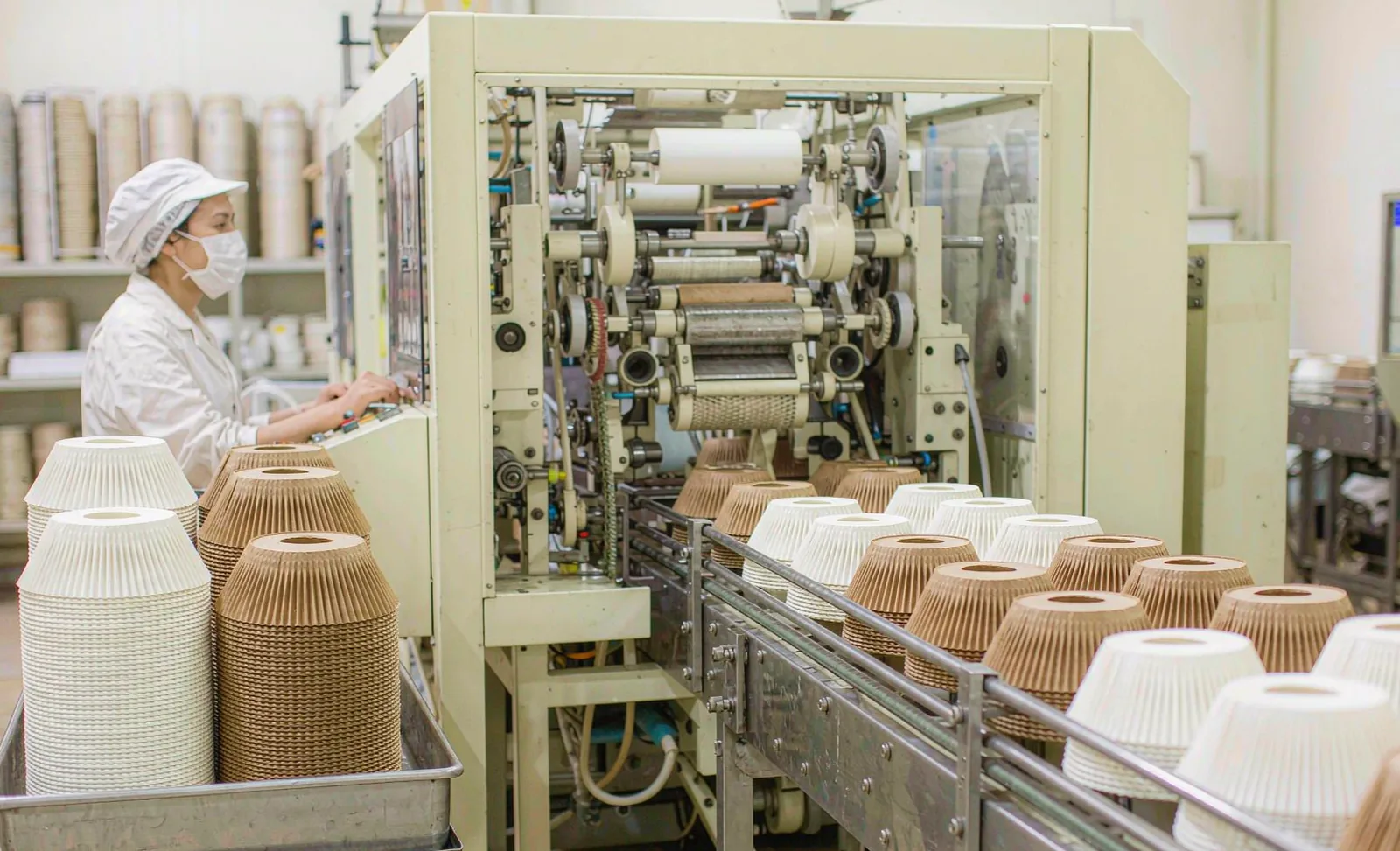
| Converting and packing | Forming, counting, inner packs, cartons | Low; machine-paced |
| QC and release | Inspection, sampling, document check | Fixed quality gate; do not skip |
| Shipping | Booking, documentation, transit | Varies by Incoterm and destination |
A realistic wholesale lead time for standard unprinted cups is often counted in low single-digit weeks; printed custom orders add proofing and setup time; and the production slot itself depends heavily on the season. Ask the supplier to quote each stage rather than one blended number, so delays can be located and managed.
4. Peak-Season Planning Calendar
Baking cup demand is seasonal, and the supplier's capacity tightens exactly when your sales peak:
- Holiday baking peaks (Christmas and New Year in most markets, plus regional festivals) drive orders months earlier.
- Spring and summer events create secondary peaks for colorful and printed liners.
- Retail promotions concentrate demand into short windows that the factory cannot absorb on short notice.
A workable rhythm for a distributor: place the main season order three to four months ahead of the sales window; confirm artwork earlier for any new printed design; and use the off-season to build stock of steady-moving standard SKUs. Chain bakeries should align order dates with their promotional calendar and communicate forecast changes as early as possible, because the factory's paper and mold capacity is being booked by other buyers at the same time.
5. Split Shipments, Safety Stock and Inventory
Large orders do not have to arrive all at once. Discuss with the supplier:
- Split deliveries. Produce the full quantity in one run to capture the MOQ economy, but release stock in agreed installments to match your warehouse space and sales curve.
- Blanket orders. Fix the total quantity and price, then call off shipments against a schedule; this protects both sides against price and capacity changes.
- Safety stock. For standard SKUs with stable demand, hold roughly one reorder cycle of stock, adjusted upward before peak season and reduced for slow movers.
- Reorder points. Trigger a repeat order when stock plus confirmed inbound falls below expected sales during the quoted lead time, plus a buffer for delays.
- SKU rationalization. Fewer sizes and designs mean each order is larger, MOQs are easier to meet and the product range is simpler to forecast.
Track the lead time actually achieved on each order. If quoted lead times slip repeatedly, either raise the reorder point for critical SKUs or discuss capacity reservation with the supplier before the next season.
For the specification side of cup purchasing — sizes, wall types and formats — see the self-supporting baking cup guide and the tulip versus standard muffin liner guide.
FAQ
Why do custom-size baking cups have a much higher MOQ?
A custom size or shape requires a dedicated forming mold and often a non-standard paper width. The supplier must run enough quantity to justify the mold setup and material preparation, so the MOQ is several times higher than for a standard size.
Can I order below the MOQ for a trial?
Some suppliers offer sample quantities or a trial run at a higher unit price. This is reasonable for qualification, but production pricing and lead times apply only at or above the MOQ.
How far ahead should I order printed baking cups before peak season?
Three to four months is a common planning window: artwork and proofing first, then production slot, then shipping. New printed designs need more lead time than reorders of an approved design.
What is a blanket order and when is it useful?
A blanket order fixes total quantity and price for a period, with shipments called off against a schedule. It suits distributors with steady demand who want MOQ pricing without taking a full season of stock at once.
How much safety stock should a wholesale distributor hold?
A common starting point is one full reorder cycle of demand for standard SKUs, plus extra buffer before peak season. Adjust using actual supplier lead time performance rather than the quoted number.
Conclusion
MOQ and lead time are the manufacturing reality of baking cups: molds, paper lots and printing setups set the floors, and seasonal capacity sets the calendar. Buyers who plan around these constraints — locking artwork early, ordering main-season volumes months ahead, using split shipments and blanket orders, and holding data-based safety stock — consistently get better unit prices and avoid the stockouts that damage customer relationships. Treat the supplier's schedule as shared information and the whole chain runs more smoothly. Buyers standardising on one paper supplier can review our custom silicone-coated baking parchment paper next to their cup specifications.
CTA
LANGMAI produces paper baking cups, muffin liners and tulip cups in standard and custom sizes, with clear MOQ tiers for unprinted, single-color and multi-color printed orders. Send LANGMAI your SKU list, sizes, decoration requirements and seasonal forecast to receive a production plan, lead time schedule and wholesale quotation.
Request MOQ and Lead Time Quote
Sources
- FDA — Food Types and Conditions of Use for Food Контакты Substances: https://www.fda.gov/food/packaging-food-contact-substances-fcs/food-types-conditions-use-food-contact-substances
- European Commission / EUR-Lex — Regulation (EC) No 1935/2004 on food contact materials: https://eur-lex.europa.eu/eli/reg/2004/1935/oj
- EFSA — Food contact materials: https://www.efsa.europa.eu/
- BRCGS — Packaging Materials Standard overview: https://www.brcgs.com/