

Introduction
Paper that survives manufacturing perfectly can still arrive ruined. A container crossing the equator experiences temperature swings of 20°C or more between day and night and between loading port and destination; each swing wrings moisture out of the air, the timber pallets, the corrugated cartons themselves and even the paper goods inside, then deposits it as condensation on the steel roof and walls — the phenomenon freight people call container rain. For hygroscopic cargo like baking paper, cake cups and greaseproof sheets, that condensation is the single largest cause of transit damage: cockled sheets, soft cartons, mold spots and customer returns that no factory QC step ever touched. Every document in our compliance library is tied to a specific construction; see how the wholesale parchment paper rolls and sheets programme aligns test reports with the exact grade supplied.
Moisture protection is therefore not a supplier courtesy — it is a specifiable, verifiable part of the export order. This guide covers why condensation forms, how to specify desiccants, what good pallet practice looks like, and how to document and inspect so that when damage does occur, responsibility is clear. Buyers verifying these specifications can review the certificate library alongside supplier documentation requests.
1. Why Paper Cargo Gets Wet: The Physics of Container Rain
A sealed 40-foot container loading in a humid Asian summer can hold tens of liters of water in its air, cargo and timber — and a plywood pallet alone can carry 5–10 percent of its weight as moisture. As the ship moves into cooler latitudes or nights, the container roof and side walls, exposed to the elements, cool faster than the cargo mass. Air near the steel reaches dew point and dumps its water as droplets on the ceiling, which then rains down onto the top layer of cartons. Documentation scope is confirmed per SKU and destination market, as outlined on our baking parchment paper manufacturing programme page.
Three factors drive severity: the moisture load inside the container (warm humid air at loading, wet pallets, cartons with high equilibrium moisture), the temperature differential across the voyage, and ventilation. Modern shipping containers have small vent slots, but they are designed for pressure equalization, not meaningful drying. Buyers should understand two practical consequences: The factory and certificate library lists the third-party audits and test reports behind these claims.
- Loading conditions matter as much as the voyage. A container stuffed on a humid afternoon with green pallets loads far more water than the same container loaded in the morning with kiln-dried timber, regardless of route.
- Damage is positional but not positional enough. Cartons under the roof get the direct rain, but the whole container's humidity cycles together, so mold can appear on inner cartons too.
This complements — but is distinct from — carton and cube optimization. The best-loaded container still needs moisture control; the driest container is useless if it arrives half empty.
2. Desiccants: Types, Dosage and Placement
Desiccants absorb the moisture cycling inside the container and are the highest-leverage, lowest-cost protection a buyer can specify. The common options:
- Calcium chloride container desiccant bags (the workhorse). Designed specifically for shipping containers, hung on the container walls or lashing points, absorbing up to several hundred percent of their weight in water. A typical dosage is 6–12 bags (each 500 g–1 kg class) per 20-foot container, doubled for humid-season loadings or long transits through the tropics.
- Clay (bentonite) desiccants. Cheap and workable inside individual cartons or inner boxes for smaller moisture loads, but low capacity per unit — not a substitute for container-level bags on sea freight.
- Silica gel sachets. The right choice inside retail cartons where presentation matters, or for moisture-sensitive printed liners, but again unit-level, not container-level.
Specification points that separate a serious program from a token gesture: state the desiccant type, unit weight and quantity in the purchase order; require them placed on walls and between pallet rows, not just scattered on top; and require the supplier to record placement in the loading photos. A desiccant bag buried under the cargo protects nothing.
3. Pallet and Loading Practice: Blocking Moisture at the Source
Desiccants treat the symptom; loading practice reduces the moisture that enters the container in the first place. The elements worth writing into export instructions:
- Kiln-dried, ISPM 15 heat-treated pallets — pest compliance and lower moisture load in one requirement. Green timber pallets are a hidden water tank.
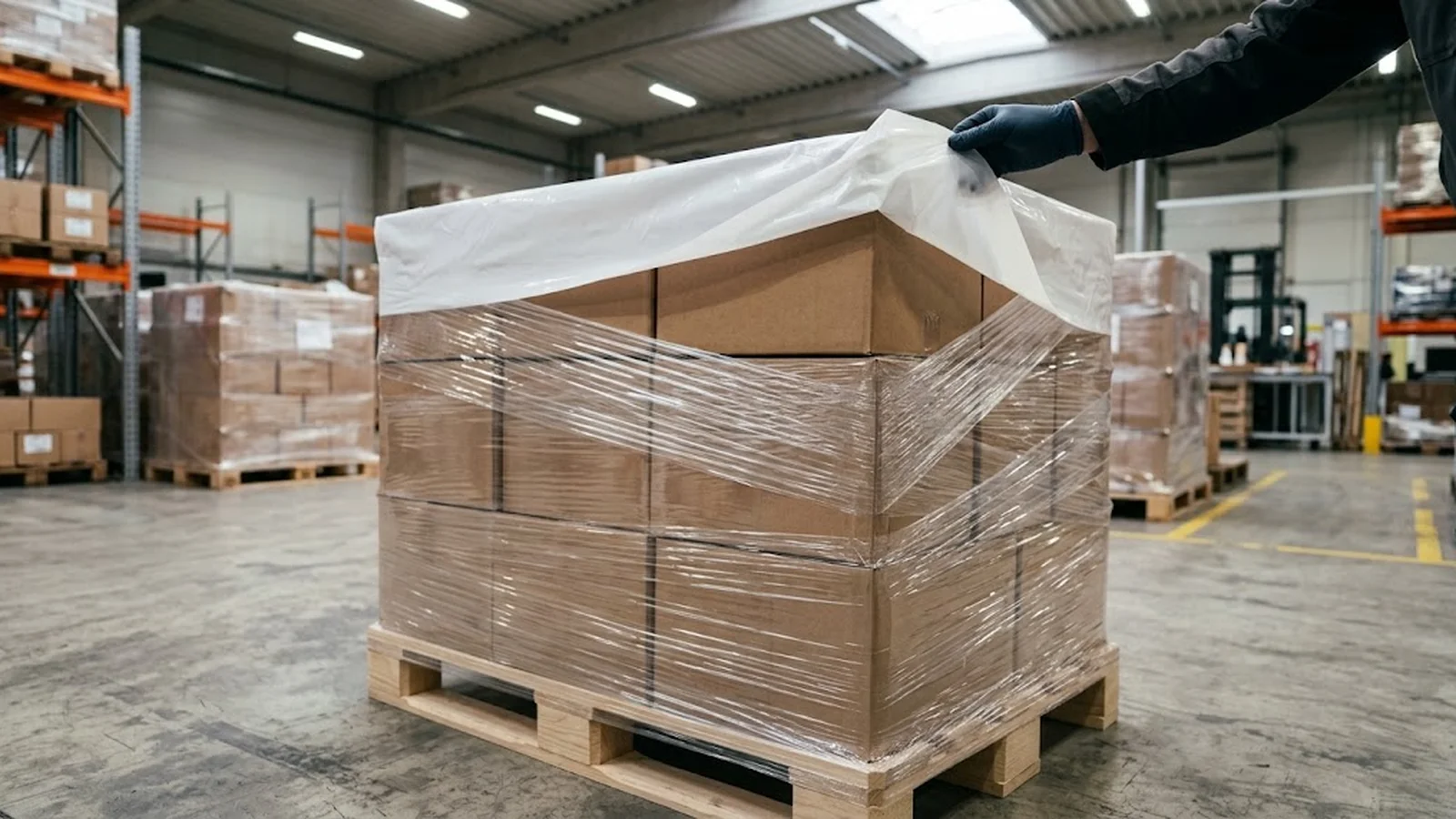
- Moisture-barrier pallet covers and top caps. A polyethylene top sheet over each pallet deflects container rain away from the cartons; VCI-free plain barrier film is sufficient for paper goods.
- Full stretch wrap with a sealed bottom. Wrap should extend down over the pallet deck or include a bottom cap, so condensation running down the pallet legs cannot wick into the lowest cartons. Poorly wrapped pallets leave a wicking path that mimics a leak.
- Dunnage air bags and paper void fill instead of wet wood spacers, and no loading on rainy days without tenting — carton surfaces that arrive damp at stuffing stay damp for the voyage.
- Airflow discipline. Leave a narrow gap under the door area per carrier guidance, and avoid blocking the small ceiling vents with cargo stacked to the roof.
Buyers arranging door-to-door freight can push these requirements into the loading checklist; buyers buying FOB can make them contractual by referencing the CTU Code packing guidelines and requiring loading photo evidence.
4. Documentation, Indicators and Receiving Checks
Moisture protection should be verifiable at both ends of the voyage:
- Humidity indicator strips (HIC) inside a sample of cartons give instant evidence: a strip that has turned pink above 60 percent RH documents in-transit exposure even when the cartons look fine on arrival.
- Loading documentation — dated photos of pallets, desiccant placement, container interior before and after stuffing, and container seal — pins down whether moisture entered before or after loading.
- Receiving inspection protocol: open one carton from the top tier and one from the bottom of each pallet, check sheet edges for cockling and the carton interior for odor or mold specks, and photograph any damage with the container and pallet intact. Moisture claims succeed or fail on this evidence chain; cargo insurance covers "wet with sea water or sweat" losses only when the packing met the declared standard.
Route and season matter too: monsoon-season loadings in South China and northern-hemisphere winter arrivals are the two peak-risk windows, and dosage or routing decisions should reflect them rather than a fixed annual habit.
FAQ
How many desiccant bags do I need for a container of paper packaging?
A common starting point is 6–12 calcium chloride container desiccant bags (500 g–1 kg class) per 20-foot container, and roughly double for a 40-foot container, humid-season loading or transits crossing the tropics. Adjust upward for green pallets or rainy-day stuffing, and require placement photos rather than trusting the quantity alone.
What is container rain and how do I prevent it?
Container rain is condensation that forms on the cool steel ceiling and walls of a shipping container when temperature drops, dripping onto cargo. Prevention combines lowering the moisture load at stuffing (dry pallets, dry cartons, desiccants), blocking the fallout path (moisture-barrier pallet top caps and full stretch wrap) and accepting that ventilation slots alone cannot dry a container mid-voyage.
Are humidity indicator strips worth adding to cartons?
For recurring shipments of moisture-sensitive paper goods, yes. Strips cost cents, and a strip that shows above 60 percent RH after a voyage is objective evidence of in-transit exposure — the difference between a successful insurance or carrier claim and an argument. Place them in a defined sample of cartons, documented in the packing list.
Conclusion
Ocean freight moisture damage is predictable, and most of it is preventable with requirements that cost less than one percent of cargo value: kiln-dried pallets, container desiccants at a stated dosage, barrier-wrapped pallets, humidity indicators and a photo-documented loading process. Buyers who write these into the purchase order convert moisture from an inevitable annual loss into a managed, measurable and insurable risk. Our private-label parchment paper supplier programme is audited against the same standards referenced in this guide.
CTA
LANGMAI ships baking paper, cake cups and food packaging paper worldwide with export-grade moisture protection specified and documented on every order — kiln-dried ISPM 15 pallets, container desiccants, barrier pallet covers and loading photo evidence as standard. Contacto our export team to review your route and season risk profile and receive a moisture-protected quotation.
Sources
- IPPC — ISPM 15: Regulation of wood packaging material in international trade
- UNECE — Guidelines for the Packing of Cargo Transport Units (CTU Code)
- TT Club — Cargo care and container packing guidance
- ISO 1496 — Series 1 freight containers: specification and testing
- EU Regulation 1935/2004 — Materials and articles intended to come into contact with food