Introduction
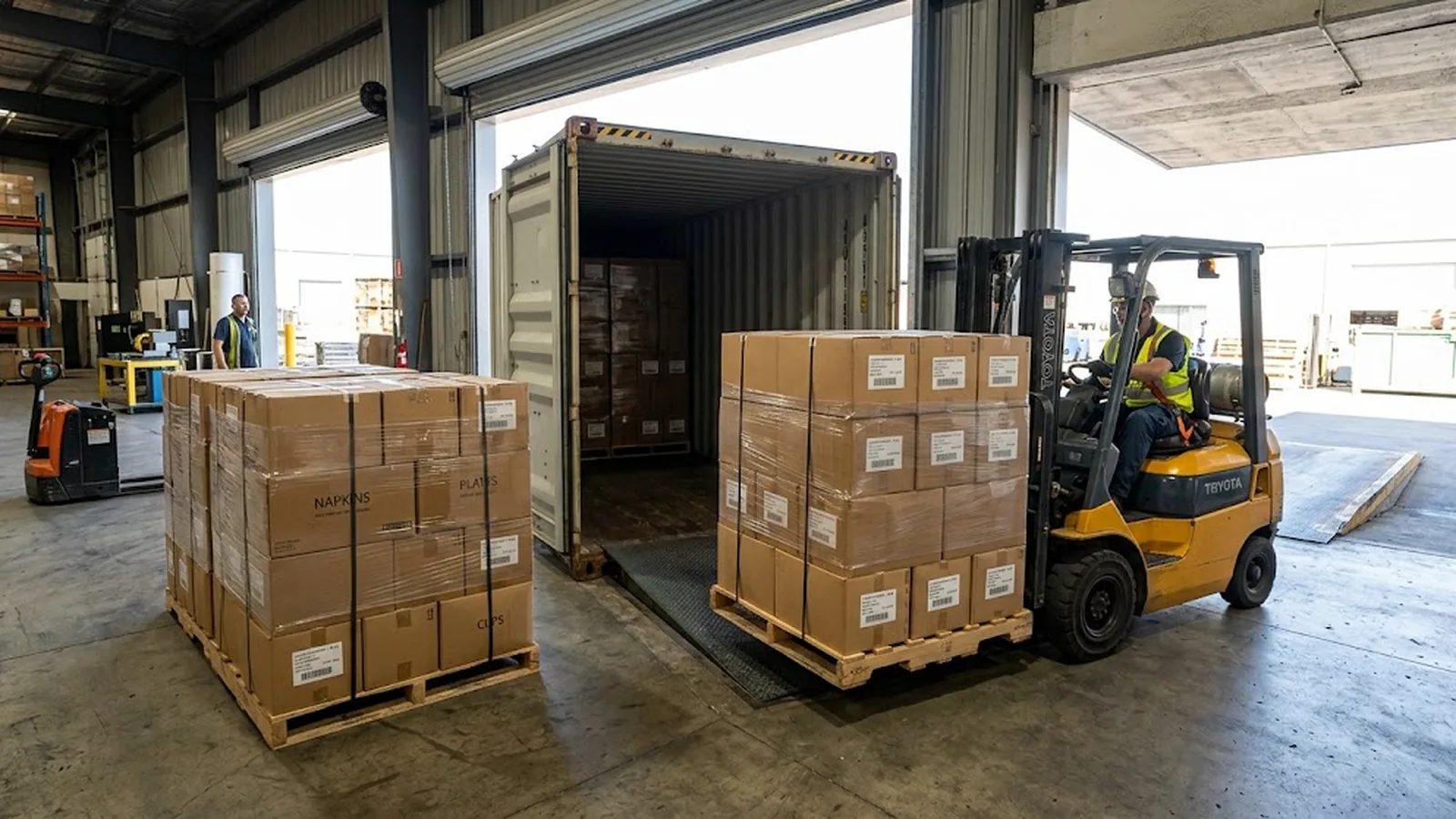
When a container of baking paper or paper cake cups arrives at port, the food-contact compliance file is not what customs looks at first. The tariff classification is. A wrong HS code can hold a shipment, trigger retroactive duty claims, or expose the importer to penalties long after the goods have shipped to customers, and paper packaging is a category where classification genuinely requires judgment: the same product can fall under different headings depending on coating, format and whether it is presented with food. Every document in our compliance library is tied to a specific construction; see how the private-label parchment paper supplier programme aligns test reports with the exact grade supplied. Finished bakery cups can sit in a different heading than the same paper in sheet form, so construction decides the code before the paperwork does.
This guide explains how food packaging paper is classified under the Harmonized System, which headings matter most for baking paper, cake cups and related food-paper products, how country-specific tariff schedules extend the six-digit codes, and how importers can build a classification file that survives a customs audit. It is written for importers, purchasing teams and brokers; it explains the logic but does not replace a binding ruling or advice from a licensed customs professional in your market. Buyers verifying these specifications can review the certificate library alongside supplier documentation requests.
LANGMAI exports food-paper products to wholesale buyers worldwide and provides the commercial and technical documents importers need for classification and clearance. The framework below is supplier-neutral.
How the Harmonized System Approaches Paper Packaging
The Harmonized System is a six-digit classification maintained by the World Customs Organization, and importing countries extend it with additional digits: the Harmonized Tariff Schedule of the United States adds four, the EU Combined Nomenclature adds two with TARIC adding two more, and similar national schedules exist elsewhere. The six-digit core determines the broad duty logic; national digits determine the precise rate and any measures. Documentation scope is confirmed per SKU and destination market, as outlined on our pre-cut parchment paper sheets and rounds page.
For paper, the structure follows a simple idea: Chapter 48 covers paper and paperboard, and the later headings move from raw paper toward converted products. Classification of food packaging paper usually turns on three questions: The factory and certificate library lists the third-party audits and test reports behind these claims.
- What is the surface treatment? Coating or impregnation moves paper between headings, and the type of coating decides which one.
- What is the form? A roll of silicone-coated paper, a die-cut sheet and a formed cup are at different stages of conversion.
- What is the packaging function? Carriers such as cartons and bags sit in their own heading, separate from the paper they are made from.
Headings That Matter for Food Packaging Paper
Heading 4811: coated, impregnated or covered paper
Heading 4811 covers paper coated, impregnated or covered with substances such as silicone, wax, plastics or other coatings. Silicone-coated baking parchment is the classic example and is typically classified here, with subheadings depending on the coating type and product form. Most greaseproof-treated and release-paper products a bakery imports will be examined against 4811 first. Buyers should describe the coating accurately on the commercial invoice, because "parchment", "silicone-coated" and "greaseproof" point customs toward different subheading checks.
Heading 4819: cartons, bags and packaging containers
Heading 4819 covers paperboard cartons, boxes, bags and sacks of a kind used for packing goods, including food. Folding cartons for retail cake cup packs, paper bags for bakery takeaway and similar converted packaging containers belong here. The distinguishing logic is that 4819 is for the container as such, not for the sheet material.
Heading 4823: other converted paper
Heading 4823 is the residual heading for converted paper not classified elsewhere, and it includes items such as molded pulp trays and certain die-cut or shaped paper articles. Where a product ends up, 4811 or 4823, often depends on whether the coating or impregnation test of 4811 is met, which is why importers should keep the product's construction description consistent across invoices, specifications and test documents.
Related headings worth knowing
Plastic-coated products can raise questions where the plastic layer dominates, and multi-material sets are classified under the General Rules of Interpretation. Composite packaging combining paper and plastic, and gift sets combining cups with boards or wraps, are the cases where importers most often need formal analysis rather than instinct.
Country-Specific Codes and Duty Rates
The six-digit heading is only the start. Importers should confirm the national extension in the destination market:
- United States: the HTS adds digits under heading 4811 and 4819; duty treatment for many paper packaging articles is low or duty-free, but classification accuracy still matters for statistics, antidumping exposure and admissibility.
- European Union: the Combined Nomenclature refines headings to eight digits, and TARIC adds measures; importers should check TARIC for the precise code and any suspensions or preferences.
- Other markets: Gulf, Southeast Asian and Latin American customs authorities apply their own schedules and may require Arabic, Spanish or local-language product descriptions and additional registration for food-contact packaging.
Preferential origin claims, such as under free-trade agreements, add another layer: the origin rule must be checked against the correct national code, which means a classification error can silently invalidate a preferential claim even where the duty rate difference is zero.
Documentation That Supports the Classification
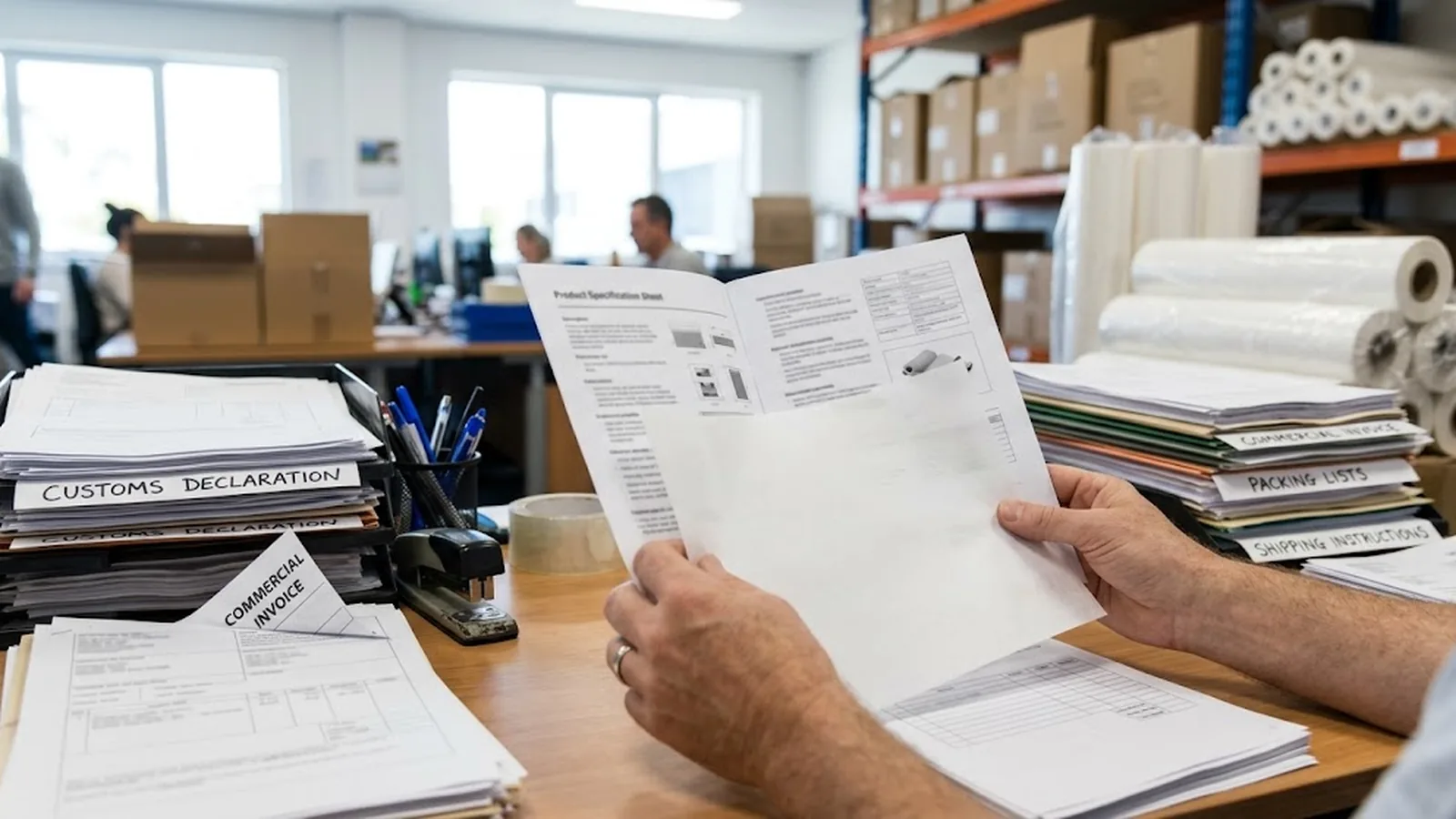
A defensible import file for food packaging paper should contain:
- Commercial invoice with an accurate product description: coating type, format (roll, sheet, cup), dimensions and intended food-contact use.
- Packing list linking carton counts to invoice lines.
- Product specification sheet from the manufacturer, stating materials, coating and construction, consistent with the invoice wording.
- Food-contact documents (declarations and migration test reports), which customs does not classify from but which regulators may request, and which support the honest description of the product.
- Certificates of origin where preferential duty claims are made.
Inconsistency is the most common audit failure: an invoice that says "greaseproof paper sheets" while the specification says "silicone-coated" invites a reclassification review of the whole import history.
Misclassification Risks and How to Reduce Them
Misclassification typically surfaces as a customs query at clearance, a retroactive duty demand, or penalties for negligent conduct. Practical risk reducers:
- Apply the General Rules of Interpretation in order, and document the reasoning for the chosen code, not just the code itself.
- Request a binding ruling where volumes are significant or the product is genuinely novel, for example advance rulings in the US or Binding Tariff Information in the EU.
- Keep one classification decision per product family, reviewed when the product construction changes, and record who decided it and on what basis.
- Brief the customs broker with the specification sheet, not only with a code copied from a previous shipment, because "same code as last year" is how construction changes go unclassified.
LANGMAI supports importing customers by supplying consistent commercial invoices, specification sheets and food-contact documentation aligned with the declared product, and can support broker queries with technical details on coating and construction.
FAQ
What HS code applies to silicone-coated baking paper?
Silicone-coated baking parchment generally falls under heading 4811, which covers paper coated or impregnated with substances including silicone. The exact subheading depends on the coating and form, and the national tariff schedule of the importing country determines the final digits and duty rate. Confirm the full code with your broker or a binding ruling.
Do paper cake cups and muffin liners have their own HS heading?
Formed paper baking cups are classified as converted paper products, typically examined under the coated-paper heading when silicone-treated or under residual converted-paper provisions otherwise. The classification follows the construction of the cup, which is why a specification sheet should accompany the invoice.
Is food-contact compliance checked by customs?
Customs verifies classification, origin and admissibility formalities; food-contact compliance is enforced by food safety authorities, not tariff officers. In practice both matter at the border for food packaging, so importers should maintain the compliance file alongside the classification file and expect occasional cross-checks.
Does LANGMAI help with classification documents for imports?
Yes. LANGMAI provides commercial invoices with accurate product descriptions, specification sheets stating coating and construction, certificates of origin and food-contact documentation, and supports brokers with technical detail during classification queries. Contacto Sales with your product list and destination market to receive a complete document set.
Conclusion
Customs classification of food packaging paper is a construction question disguised as an administrative one. Coating and form decide the heading, national schedules decide the digits and the rate, and consistency across invoices, specifications and compliance documents decides whether the file survives an audit. Importers who document the reasoning, request rulings where needed and keep supplier paperwork aligned will move containers on schedule and protect margins from retroactive surprises. Our custom printed baking parchment paper programme is audited against the same standards referenced in this guide.
CTA
Contacto Sales for LANGMAI food-paper products with complete export documentation, including specification sheets, certificates of origin and food-contact files that support correct HS classification and smooth customs clearance.