
Introduction
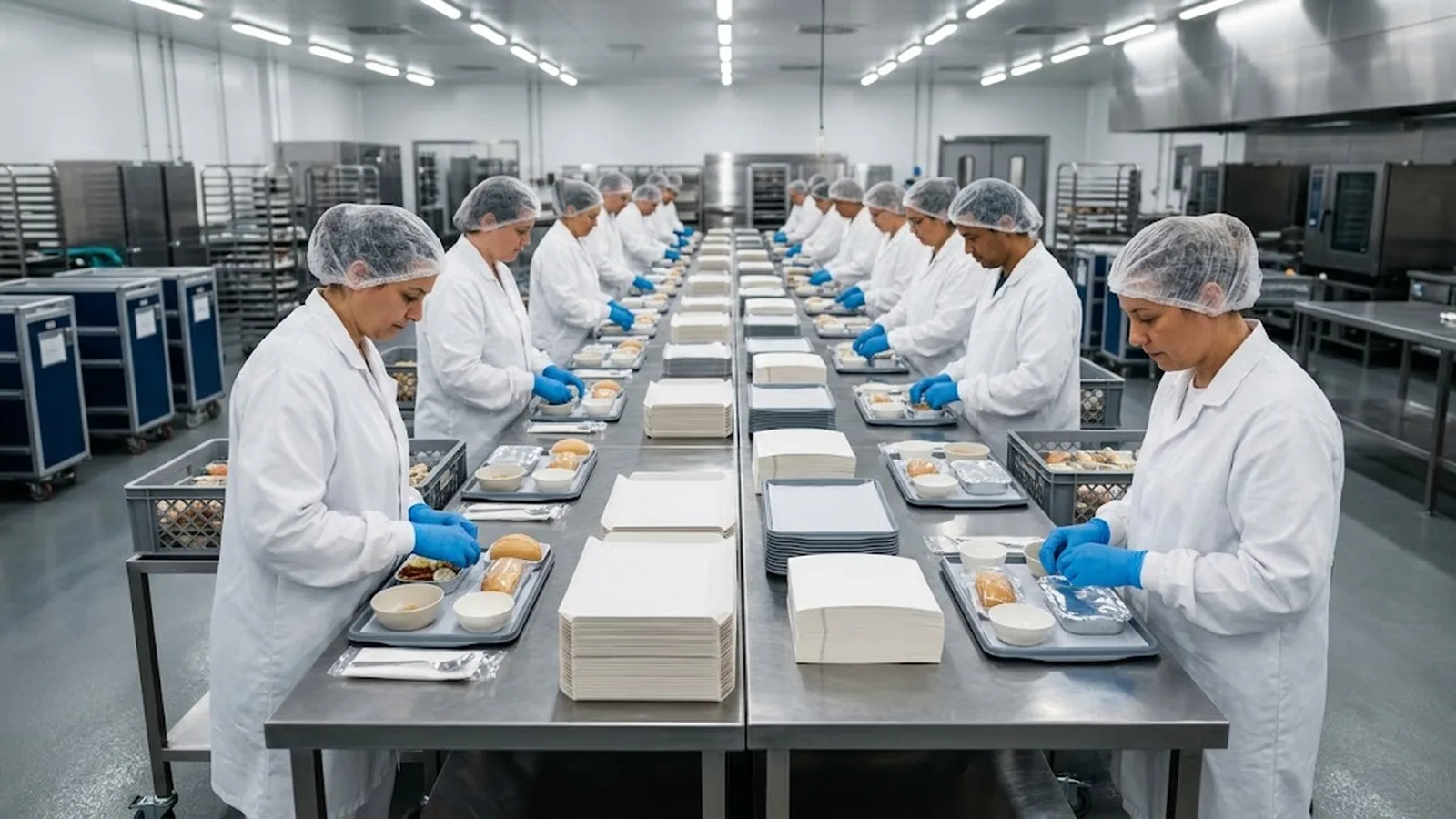
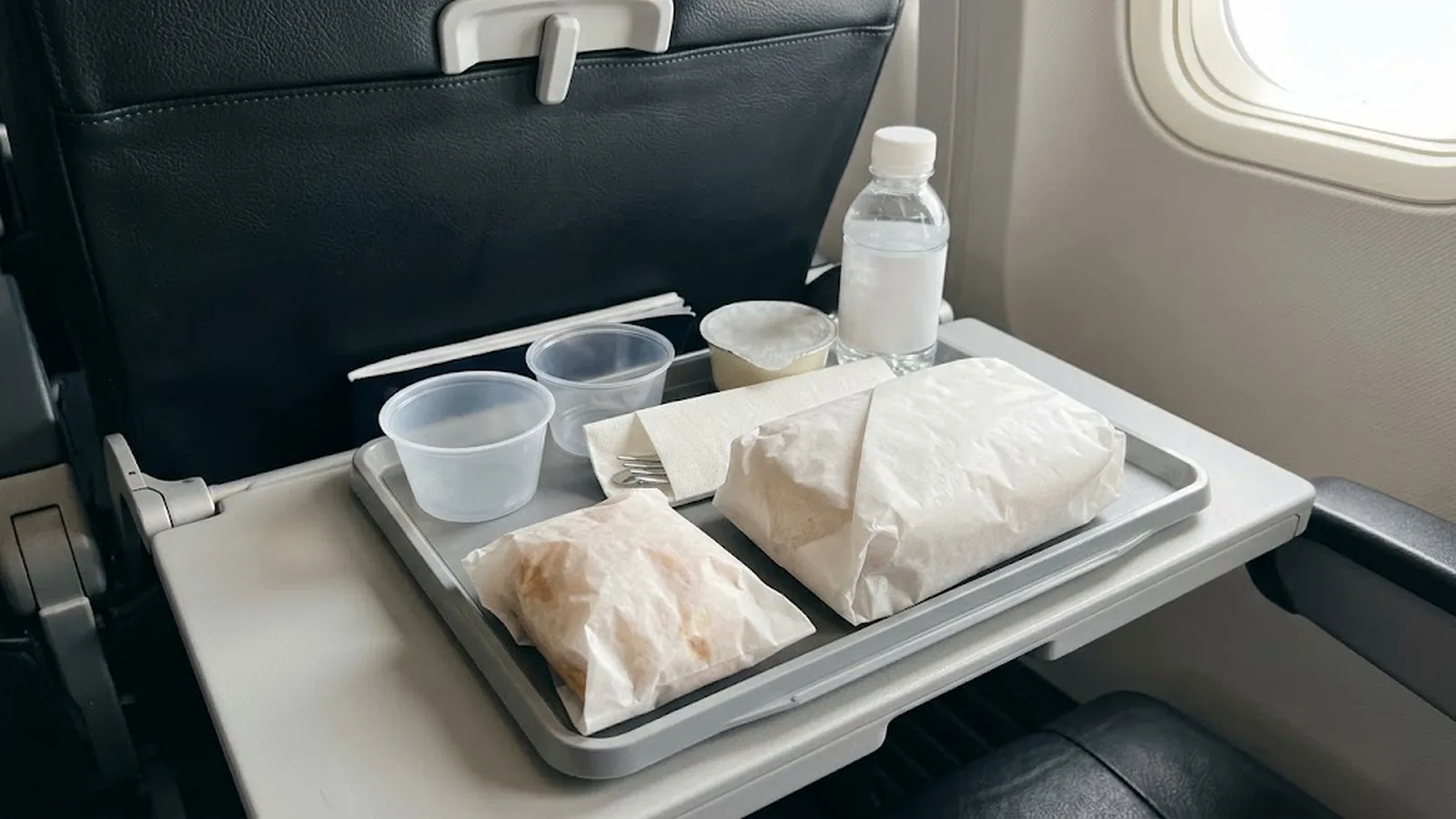
Airline and travel catering is one of the most demanding single-serve food environments in the world. Every meal leaves the galley wrapped, lined or interleaved in paper that must survive blast chilling, tray assembly at speed, reheating in constrained ovens, cabin handling and the passenger's first impression — all before any claims about sustainability reach the recycling bin. For catering suppliers and flight kitchens, greaseproof paper is therefore not a commodity line item but a specification decision that touches food safety, service speed and brand presentation at once. Buyers comparing these specifications can review our food-grade die-cut parchment rounds programme, where coating weight, base grammage and release values are documented per construction.
This guide covers the wholesale buyer's view: which paper formats airline and travel catering actually consume, how grease resistance and heat behavior should be specified, what compliance and cabin-facing documentation buyers should require, and how MOQ and logistics work when your customer reorders by the flight, not by the week. Buyers verifying these specifications can review the certificate library alongside supplier documentation requests.
1. Where Greaseproof Paper Fits in Travel Catering
Travel catering consumes paper across three distinct layers of the meal: For production volumes, the same construction logic applies to our custom silicone-coated baking parchment paper line, quoted per roll, sheet or die-cut format.
- Single-serve wraps and sleeves. Sandwiches, pastries, baguettes, cookies and snack items are wrapped or sleeved in greaseproof sheets or bags — frequently custom printed with the airline's or caterer's identity.
- Tray and basket liners. Sheets line meal trays, snack baskets and crew service trolleys, absorbing grease and presenting a clean surface between the tray and the food.
- Baking and reheating formats. Flight kitchens and catering production units bake on parchment-lined trays and reheat items in paper that must tolerate oven contact without transferring odor or coating.
Each layer has a different dominant requirement — grease resistance for wraps, presentation for liners, release and heat tolerance for baking — so a catering paper program is usually a small family of SKUs rather than a single sheet size. Buyers who force one grade across all three layers usually pay for it in complaints somewhere in the chain. The factory and certificate library lists the third-party audits and test reports behind these claims.
2. Specifying Grease Resistance and Heat Performance
Grease resistance is measured, not asserted. The practical benchmark for catering wraps and liners is the KIT test: levels around KIT 8–12 are typical for direct fatty contact such as buttered items, fried snacks and oily pastry, while KIT 6–8 can serve dry items and general liners. Buyers should specify the test method and pass level in the RFQ and verify with incoming samples, because two papers both labeled "greaseproof" can behave very differently against a warm sausage roll at altitude.
Heat and release requirements follow the kitchen, not the cabin:
- Baking formats in flight kitchens behave like any commercial bakery application — silicone-coated parchment rated for continuous use around 200–220 °C, with release performance validated against the actual recipes.
- Reheat contact is the subtle one: wrapped items pass through galley ovens and warmers, so wraps need a stated maximum temperature and must not release odor under reheating. Odor neutrality testing belongs in the specification for any paper touching warm food.
Moisture behavior matters too. Catering paper often sits against condensation-prone items after chilling; a paper that clouds, stains or loses stiffness when damp degrades the perceived quality of the meal even when food safety is unaffected.
3. Single-Serve Formats and Custom Printing
Travel catering is single-serve by design, and the format list reflects that: cut sheets in meal-tray dimensions, interfolded pop-up stacks for rapid tray assembly, sandwich sleeves and bags, and die-cut shapes for signature items. Because every gram and every fold affects trolley space and assembly time, format decisions in this category are operational decisions.
Custom printing is the norm rather than the exception — airline identities, halal or vegetarian meal indicators, and simple pictograms that help crew and passengers sort meals without reading text. Buyers commissioning printed greaseproof should expect:
- Food-contact-safe inks with documentation, and printing applied to surfaces or products where migration risk is controlled.
- Artwork and print-run economics: print MOQs sit above blank MOQs, and multi-airline customers usually stagger print runs by customer program.
- Color and identity consistency across reorder cycles, evidenced by retained print standards at the factory.
A pragmatic approach many catering groups use: blank or single-color greaseproof for the high-volume anonymous SKUs, full custom print reserved for customer-facing wraps where the brand value justifies the MOQ.
4. Compliance and Cabin-Facing Documentation
Catering paper travels through some of the strictest food-safety audits in the foodservice world. Buyers should assemble a document file per product code covering:
- Food-contact compliance for the destination and operating markets: FDA 21 CFR 176 for US-linked operations, EU Regulation 1935/2004 and national measures for European carriers.
- Migration and odor test reports from accredited laboratories, tied to the exact construction and print system.
- PFAS-free evidence, now a standing question from major carriers and catering alliances.
- Halal and kosher considerations where meals are certified, since packaging is part of the audited chain.
- Allergen handling support documentation, as catering HACCP plans increasingly extend to packaging contact surfaces.
Because catering companies are audited as service providers, the paper file must be organized for handover: one dossier per SKU, with certificates current and traceable to production lots. Suppliers who maintain audit-ready files shorten every onboarding cycle.
5. MOQ, Logistics and Program Cadence
Travel catering volumes are enormous in aggregate but arrive as many coordinated SKUs with strict delivery windows. The sourcing pattern that works:
- Framework agreements with quarterly call-offs, so the supplier holds semi-finished stock and the kitchen's forecast drives conversion timing.
- Mixed-container planning — printed wraps, liners and baking formats shipping together to consolidate freight into hub airports or catering bases.
- Consistent lot traceability, because a catering kitchen managing dozens of flights daily needs recall and retention records that map paper lots to production dates without archaeology.
Lead time discipline matters more than headline price. A delayed printed wrap SKU can force a flagship program onto unbranded stock — visible to every passenger — which costs the caterer far more than the freight saving.
FAQ
What KIT level should airline catering wraps specify?
Direct-contact wraps for fatty, warm items — pastry, fried snacks, buttered breads — should specify KIT 10–12 range performance, while tray liners and dry-item wraps can pass at KIT 6–8. The right answer is the measured level that handles your fattiest wrapped item with margin, verified by testing rather than supplier labels.
Can greaseproof paper be custom printed with meal indicators?
Yes. Food-contact-safe printing on greaseproof paper routinely carries halal, vegetarian and allergen pictograms and airline identities. The print system must be documented for food contact, and printed SKUs carry higher MOQs than blank ones — so many caterers print only passenger-facing wraps and keep anonymous liners blank.
How does catering paper sourcing differ from general foodservice?
Three ways: the audit environment is stricter (carrier and authority audits reach into packaging files), formats are smaller and more numerous (single-serve everything), and delivery cadence is tied to hub logistics rather than broad regional distribution. Framework supply with lot traceability fits the category better than spot buying.
Conclusion
Greaseproof paper in airline and travel catering is a small component with an outsized surface area: it touches food safety audits, service speed, brand identity and the passenger's tray in a single sheet. Buyers who specify measured grease resistance, validate heat and odor behavior for the reheating journey, keep an audit-ready compliance file per SKU and structure supply as framework call-offs get a paper program that disappears into the service — which is exactly what cabin-facing packaging should do. Our wholesale parchment paper rolls and sheets programme publishes the test data behind each grade so specifications can be verified before ordering.
LANGMAI supplies greaseproof papers in sheets, rolls, pop-up stacks and custom-printed single-serve formats for airline, rail and travel catering, with KIT-tested grease resistance, food-contact documentation and hub-delivery logistics built into the program. اتصل بنا our wholesale team with your tray dimensions and meal programs for samples and a quotation.
Sources
- EU Regulation 1935/2004 — Materials and articles intended to come into contact with food
- FDA — Food اتصل بنا Substances: 21 CFR 176 Indirect Food Additives: Paper and Paperboard Components
- EFSA — Food contact materials
- TAPPI — Technical resources for pulp and paper testing
- IATA — Cabin crew and catering operations resources